
5 Common Customer Support Mistakes Small Businesses Make
Vikram Singh
VP of Customer Success
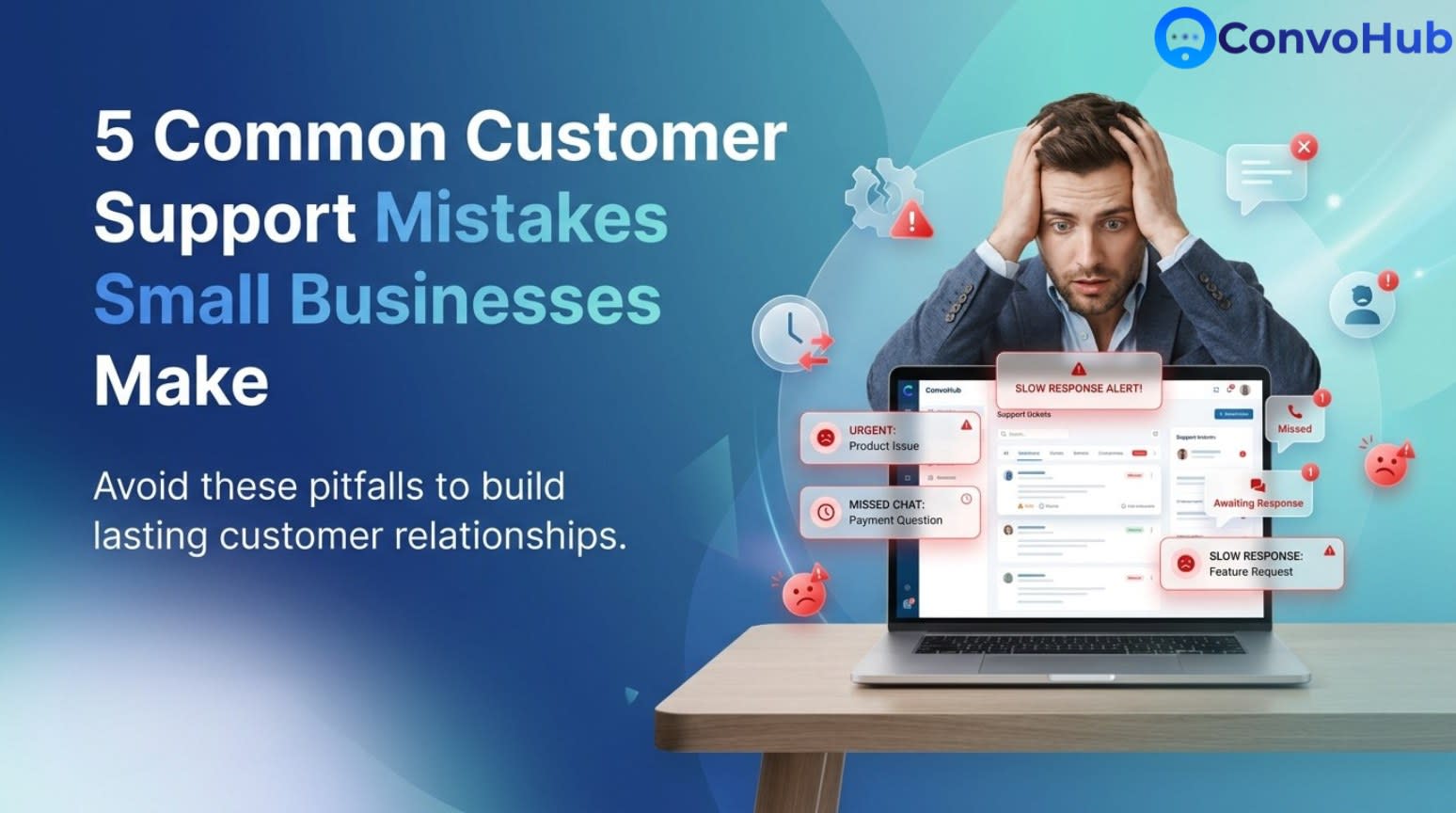
5 Common Customer Support Mistakes Small Businesses Make
Customer support can make or break a small business. While large corporations have dedicated teams and sophisticated systems, small businesses often struggle with limited resources and competing priorities. The good news? Most common support mistakes are easily fixable once you know what to look for.
Let's explore five critical errors that could be costing you customers—and how to fix them.
Mistake #1: Slow Response Times
The Problem
In today's instant-gratification world, customers expect quick responses. A study by HubSpot found that 90% of customers rate an "immediate" response as important or very important when they have a customer service question. Yet many small businesses take hours or even days to respond.
Why It Happens
- Limited staff juggling multiple roles
- No dedicated support system
- Messages scattered across email, social media, and phone
- Time zone differences affecting availability
The Fix
Implement automated responses that acknowledge inquiries immediately, even if you can't solve the issue right away. A simple "We received your message and will respond within 2 hours" sets expectations and shows you care.
Quick wins:
- Set up auto-replies on all communication channels
- Use chatbots for common questions (FAQ, business hours, pricing)
- Establish clear response time goals (and stick to them)
- Consider tools like ConvoHub that automate initial responses while maintaining a personal touch
Mistake #2: Being Available on Too Many Channels (Without Proper Management)
The Problem
Many small businesses try to be everywhere—Facebook, Instagram, WhatsApp, email, phone, live chat—believing this improves accessibility. However, without proper management, this creates chaos:
- Messages get missed
- Response times suffer
- Customers receive inconsistent information
- Staff feel overwhelmed
Why It Happens
- Pressure to "be where customers are"
- No centralized communication hub
- Each channel managed separately
- Fear of missing potential customers
The Fix
Focus on 2-3 channels where your customers actually are, and manage them well. Quality over quantity wins every time.
Better approach:
1. Survey your customers to find their preferred contact methods
2. Choose 2-3 primary channels and excel at them
3. Use an omnichannel platform to manage all channels from one dashboard
4. Redirect other channels to your primary support methods
Mistake #3: No Self-Service Options
The Problem
Many customers prefer finding answers themselves rather than contacting support. In fact, 70% of customers expect a company's website to include a self-service application. When businesses force every inquiry through personal channels, they:
- Overwhelm support staff with repetitive questions
- Frustrate customers who want quick answers
- Miss opportunities to serve customers 24/7
Why It Happens
- Belief that personal touch requires human interaction for everything
- Lack of time to create resources
- Underestimating customer preference for self-service
- Technical challenges in implementation
The Fix
Create simple, accessible self-service resources that handle common questions.
Essential self-service tools:
- FAQ page: Address your top 10-20 most common questions
- Help center: Organize articles by topic
- Video tutorials: Show rather than tell for complex processes
- AI chatbot: Answer common questions 24/7 with the option to escalate to human support
- Knowledge base: Searchable database of help articles
Pro tip: Start by tracking every customer question for one month. The patterns will reveal exactly what self-service content to create first.
Mistake #4: Lack of Follow-Up
The Problem
The conversation doesn't end when you solve a customer's immediate problem. Yet many small businesses:
- Never check if the solution actually worked
- Miss opportunities to upsell or cross-sell
- Don't request feedback or reviews
- Fail to nurture the customer relationship
Why It Happens
- Moving on to the next urgent issue
- No system for tracking follow-ups
- Assuming silence means satisfaction
- Feeling like follow-ups are "pushy"
The Fix
Systematize your follow-up process so it happens automatically.
Effective follow-up strategy:
1. 24-hour check-in: "Did our solution work for you?"
2. 1-week satisfaction survey: "How would you rate your experience?"
3. 1-month relationship nurture: Share relevant tips, new features, or special offers
4. Quarterly re-engagement: Keep your business top-of-mind
[Automation](/blog/future-of-whatsapp-business-automation) tip: Tools like ConvoHub can automate these follow-ups via WhatsApp, making them feel personal while requiring zero manual effort.
Mistake #5: Not Measuring Support Performance
The Problem
What gets measured gets managed. Many small businesses operate customer support on "feel" rather than data:
- No idea of actual response times
- Unknown customer satisfaction levels
- Can't identify improvement areas
- Difficult to justify investing in better tools
Why It Happens
- Overwhelmed with daily operations
- Don't know what metrics matter
- Lack of tools that provide analytics
- Belief that "small business doesn't need fancy metrics"
The Fix
Track just a few key metrics that actually matter.
Essential support metrics:
1. Average Response Time: How quickly do you reply to initial inquiries?
2. Resolution Time: How long until issues are completely solved?
3. Customer Satisfaction (CSAT): Simple 1-5 rating after each interaction
4. First Contact Resolution: Percentage of issues solved in first interaction
5. Support Channel Performance: Which channels convert best?
Start simple: Even a basic spreadsheet tracking these metrics weekly will reveal patterns and improvement opportunities.
Bringing It All Together
These five mistakes share a common thread: they're all fixable with the right systems and tools. You don't need a massive budget or large team—you need smart automation and thoughtful processes.
Your Action Plan
This week:
- Audit your current support channels and response times
- Set up auto-replies on all active channels
- List your 10 most common customer questions
This month:
- Choose your 2-3 primary support channels
- Create a FAQ page answering those common questions
- Implement a simple follow-up system
This quarter:
- Begin tracking key support metrics
- Evaluate automation tools that fit your business
- Create self-service resources for top issues
How ConvoHub Helps
ConvoHub addresses all five mistakes with one integrated platform:
- Instant responses via AI-powered WhatsApp automation
- Unified inbox for managing all customer conversations
- Built-in knowledge base for self-service
- Automated follow-ups that nurture customer relationships
- Analytics dashboard tracking all key metrics
The best part? It's designed specifically for small businesses, with pricing and complexity that makes sense for teams of any size.
Conclusion
Great customer support isn't about having unlimited resources—it's about being intentional with the resources you have. By avoiding these five common mistakes, you'll deliver better experiences, build stronger customer relationships, and free up time to focus on growing your business.
Remember: Your customers don't expect perfection. They expect responsiveness, consistency, and genuine care. Fix these foundational issues, and you'll be ahead of most small businesses in your industry.
*Ready to transform your customer support without increasing headcount? Explore how ConvoHub's AI-powered WhatsApp automation can help your small business deliver enterprise-level support.*
Related Tools
- Free WhatsApp QR Code Generator — create QR codes to direct customers to WhatsApp support instantly
- Free WhatsApp Link Generator — build direct WhatsApp chat links for your website or email signature
- Free UTM Builder — track which support channels are driving the most inbound enquiries
Frequently Asked Questions
Related Articles
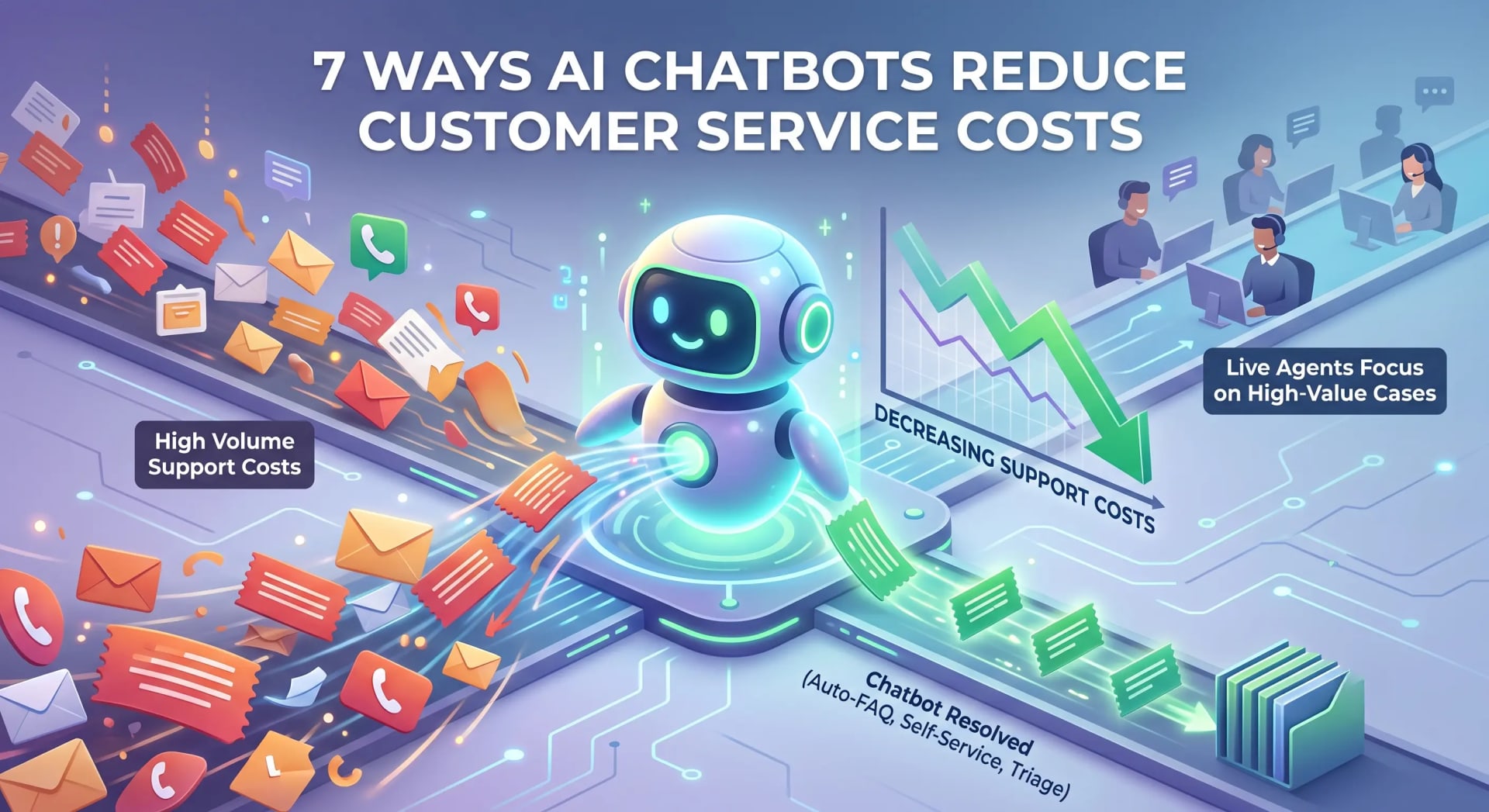
7 Ways AI Chatbots Reduce Customer Service Costs
AI chatbots cut customer service costs by 30–50%. See 7 proven ways businesses save on support using automation, 24/7 coverage, and self-service tools.
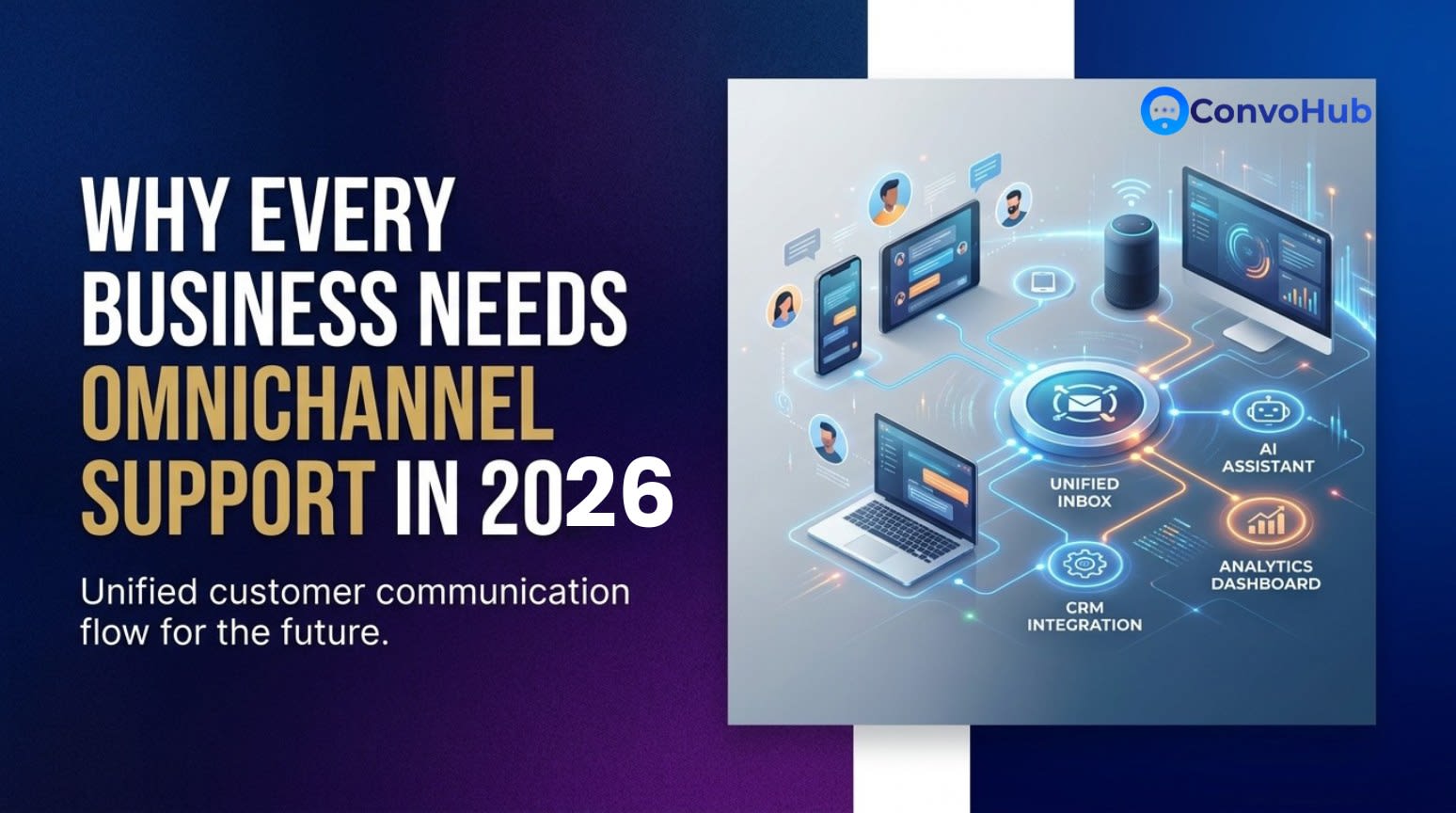
Why Every Business Needs an Omnichannel Support System in 2026
Customer expectations have evolved. Discover why omnichannel support is no longer optional and how to implement it effectively for your business.